
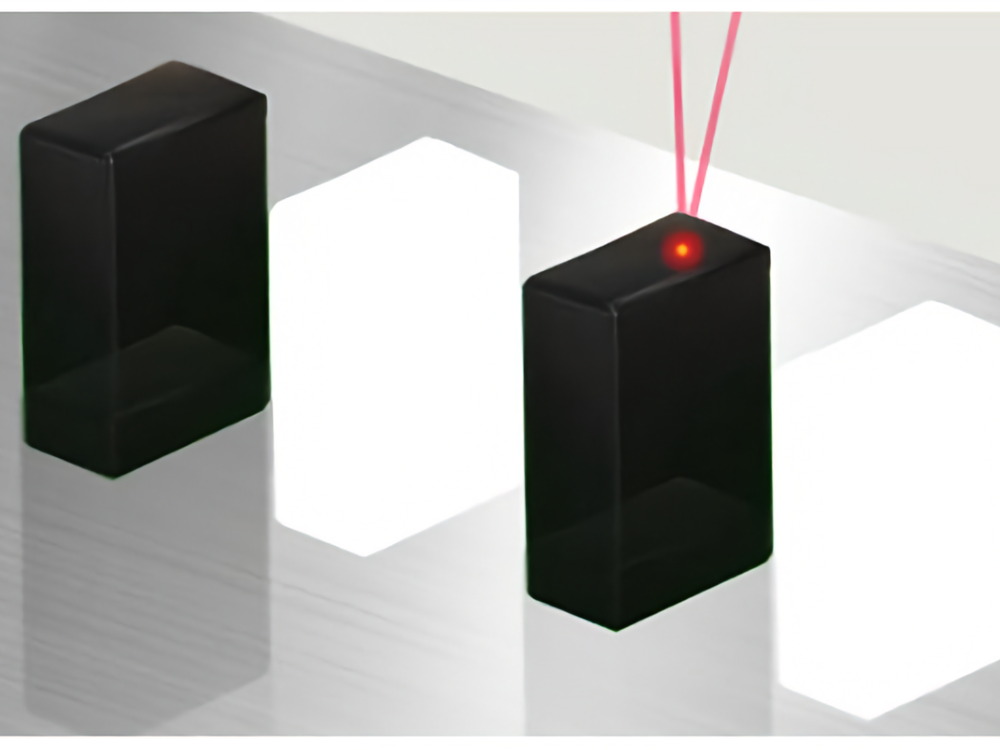
DASS background suppression photoelectric sensors are widely used in industrial automation, security and surveillance, smart home systems and other fields. They prove especially valuable in applications with strong reflective backgrounds — such as material inspection on automated production lines and object tracking in logistics conveyor systems. By evaluating the angle of the reflected light beam rather than its intensity, background suppression sensors distinguish the reflection returned by a target within the defined sensing range from that returned by surfaces beyond the set distance, preventing false switching caused by background interference.
This capability is achieved through a combination of technologies: a specialised optical design that forms a sharply defined detection boundary, advanced signal processing algorithms, and adjustable sensitivity together with filter functions that further stabilise the output. Together, these measures effectively shield and suppress background light, delivering markedly higher detection accuracy and reliability even where target colour, surface finish or background conditions vary.
Photoelectric Sensors in Logistics and Warehousing
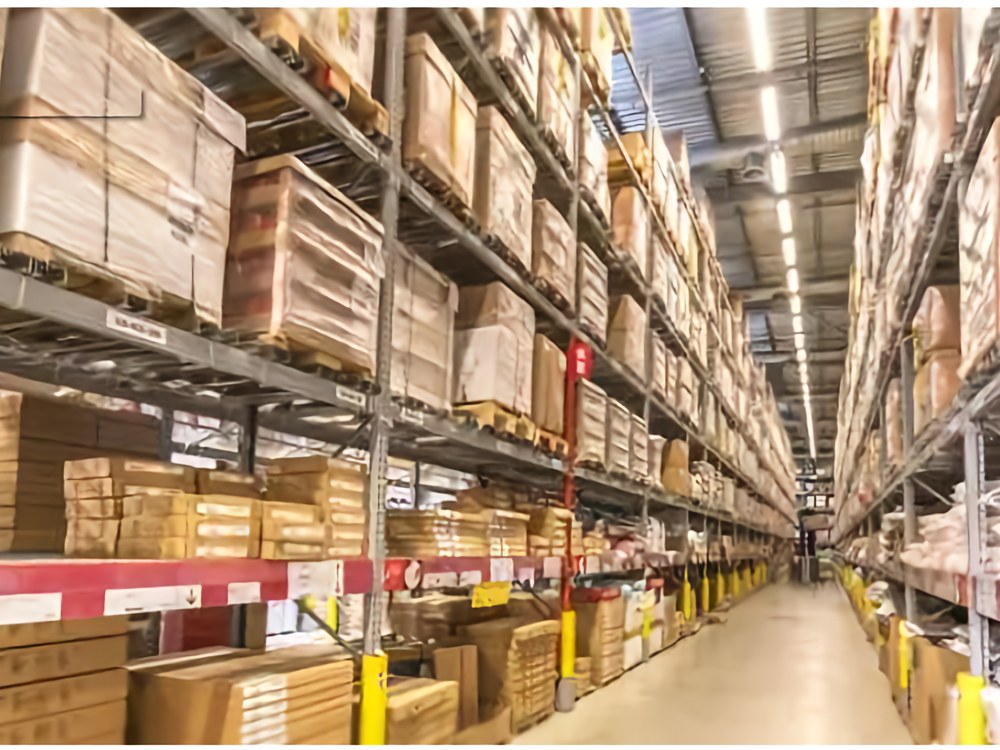
Photoelectric sensors play a vital role in logistics and warehousing operations. In smart warehousing systems, they accurately detect the position and quantity of goods and feed this information back to the control system in real time, enabling precise inventory tracking and more efficient warehouse management.
In logistics automation, photoelectric sensors are widely applied to operations such as goods coding and identification, unloading, and loading. Their fast, non-contact detection supports reliable sequencing and positioning throughout the handling process, keeping automated equipment running smoothly and minimising manual intervention.
Slot-Type Photoelectric Sensors in Automated Packaging Modules
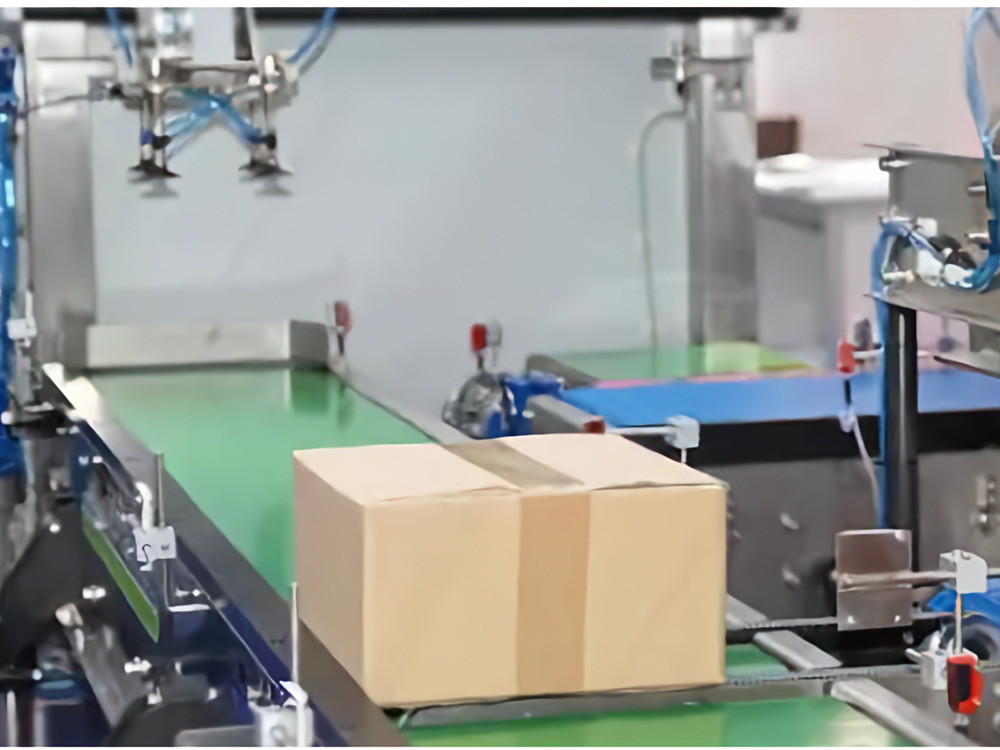
Slot-type photoelectric sensors (fork sensors) also play an important role in automated packaging modules. With the emitter and receiver housed in a single U-shaped housing, they deliver precise, alignment-free detection of the packaging module’s positioning, keeping the packaging sequence running smoothly.
By accurately registering the position and count of items to be packaged, the sensors enable precise control of each packaging cycle — verifying presence, confirming correct feed and triggering downstream actions at exactly the right moment. This improves both packaging throughput and consistency, reducing waste from misaligned or missing products.
At the same time, the sensors monitor the operating status of packaging equipment, providing immediate feedback on jams, misfeeds or missing components. Faults can therefore be detected and addressed at an early stage, preventing minor issues from escalating into unplanned downtime and production interruption.
Detecting Label Position and Length
DASS photoelectric sensors determine the exact position and length of a label by sensing the perforations or reflective material incorporated into the label media. This function is essential for achieving precise, repeatable label application.
As the label web passes through the sensor, the sensor receives the light signal reflected from or transmitted through the label substrate. By evaluating the variation in signal intensity as each gap or mark crosses the detection point, the sensor identifies the label’s leading edge, trailing edge and overall length. This information is fed back to the labeler controller in real time, governing feeding, cutting and application actions so that each label is dispensed and applied to the product accurately and consistently.
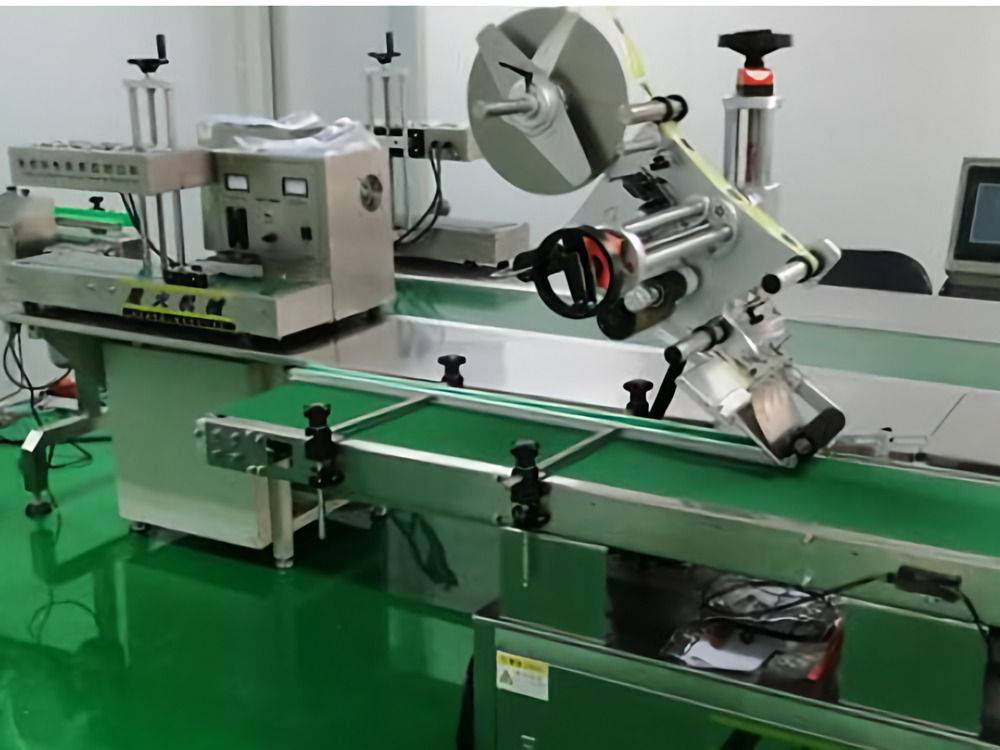
DASS Photoelectric Switches Enable Automated Control of the Labeling Process
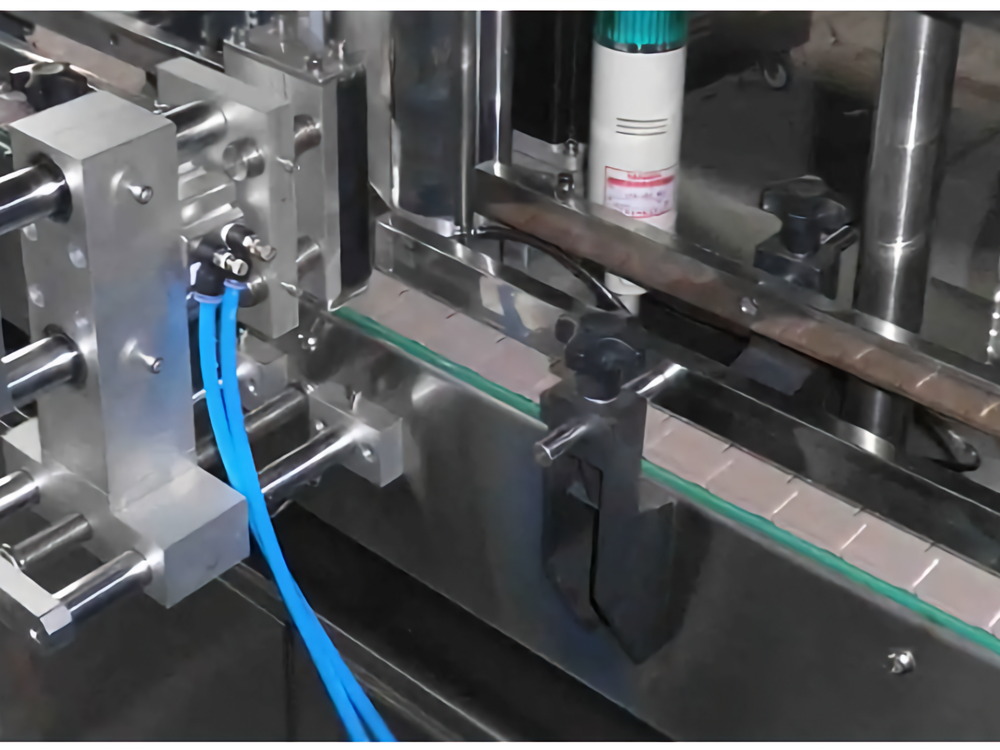
In the automated control system of a labeling machine, photoelectric sensors work in conjunction with other sensing devices and actuators — such as motors and pneumatic cylinders — to deliver fully automated control of the labeling process.
The sensor transmits the detected signal to the control system, which interprets the signal and issues the corresponding control commands to drive the actuators through each labeling action — feeding, positioning, dispensing and application. This closed-loop interaction between detection and actuation ensures that every step is executed at precisely the right moment.
Such an integrated design makes the labeling machine significantly simpler to operate and more efficient, reducing the need for manual intervention while improving repeatability and overall line productivity.
Paper Feed Fault Detection
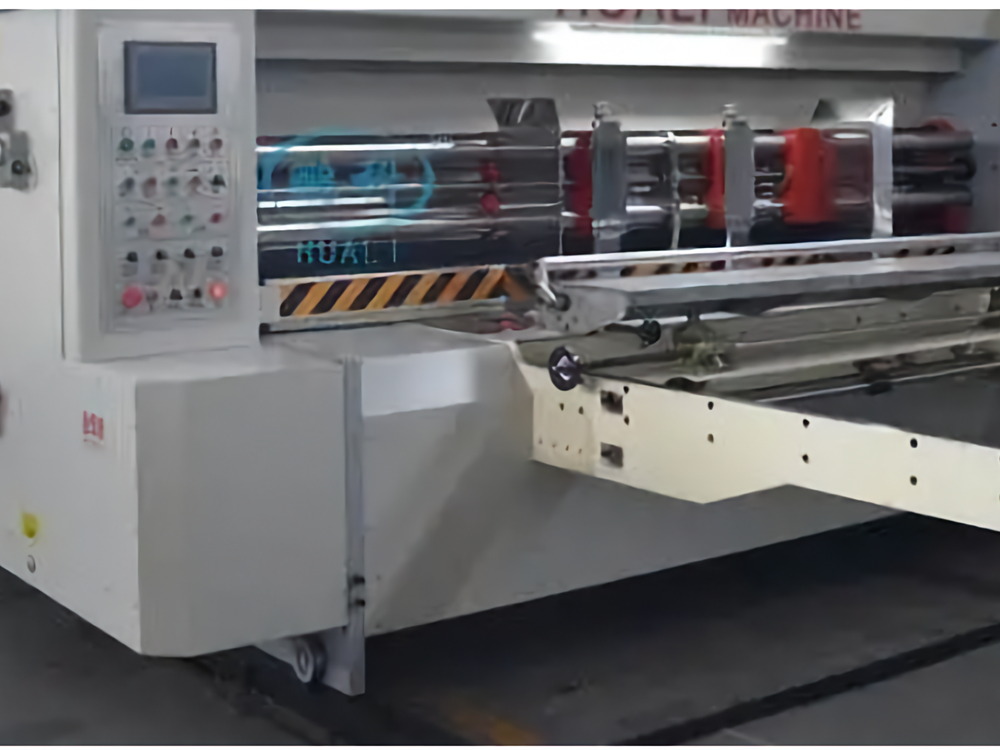
Beyond position and registration detection, photoelectric sensors also play an important role in monitoring the sheet feeding process for faults.
Photoelectric sensors detect faults occurring during paper feeding, such as sheet jams and missing sheets. Mounted at key points along the feed path, they continuously monitor the presence and transit of each sheet, capturing any irregularity the moment it arises. Once a fault is identified, the control system responds immediately — stopping the press and triggering an alarm, or automatically adjusting the paper feed mechanism. This rapid response prevents substrate and equipment damage, minimises downtime, and keeps the printing process running smoothly.
Monitoring Speed in the Transport Systems of SMT Equipment
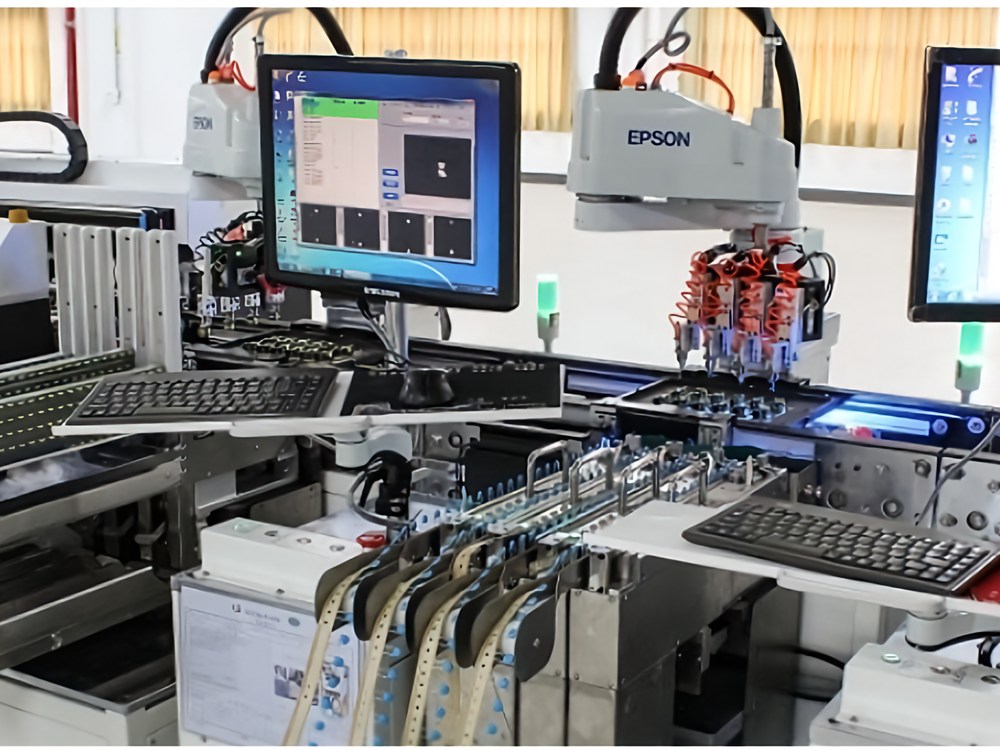
In the transport (conveyor) systems of SMT equipment, photoelectric sensors monitor board movement along the line and measure actual transit speed. By detecting each PCB as it passes a defined point, the sensor supplies real-time speed feedback to the control system, which then adjusts the line running speed accordingly — synchronising board handling with the pick-and-place, reflow and inspection stages.
This closed-loop speed monitoring helps optimise the production process and improve overall throughput, while reducing problems caused by speed mismatch, such as board accumulation, misalignment, bottlenecks or unnecessary idle time between machines. The result is a smoother, more stable SMT line with higher equipment utilisation.
Photoelectric Sensors for AGV and AMR Automated Transport Equipment
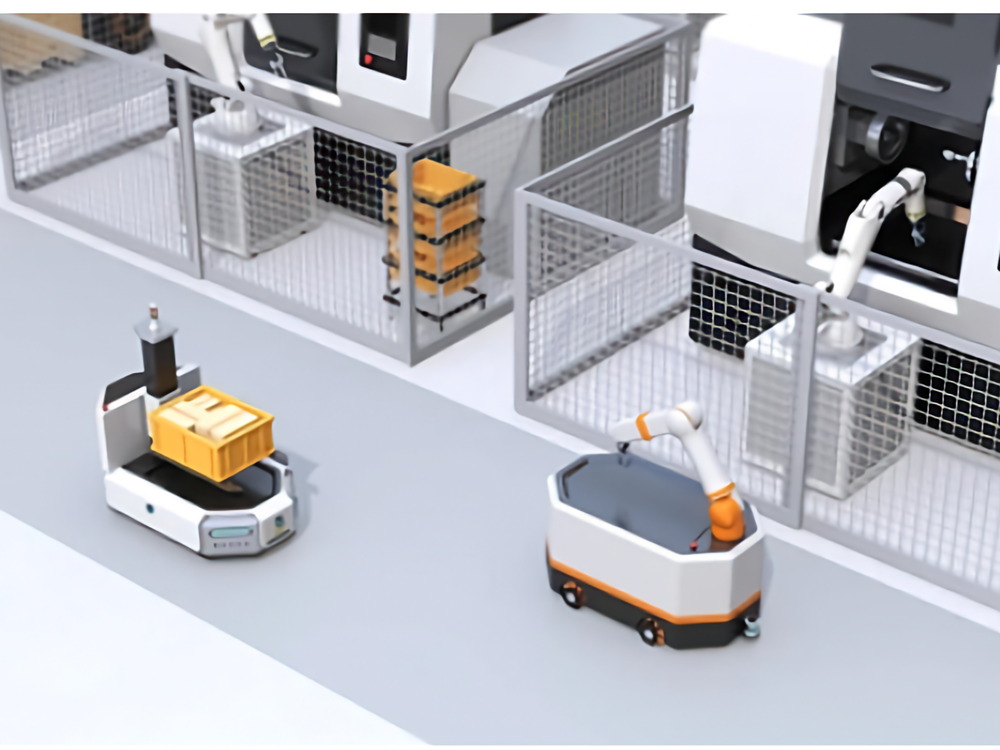
In automated transport equipment such as AGVs (Automated Guided Vehicles) and AMRs (Autonomous Mobile Robots), photoelectric sensors are used to perceive surrounding objects, obstacles, landmarks and other critical information. By detecting environmental conditions in real time, they supply the navigation and control system with the input needed to guide the vehicle’s travel path and execute obstacle-avoidance actions.
Mounted at key positions on the vehicle body, the sensors provide fast, non-contact detection of people, pallets, racking and other obstructions within the travel corridor, enabling timely deceleration, stopping or re-routing. Continuous detection of floor landmarks and reference marks further supports accurate positioning and route tracking. Together, these capabilities ensure safe, reliable operation of the equipment in dynamic industrial and warehouse environments.
Background Suppression Photoelectric Switches for Detecting Targets Against Complex Backgrounds
On production lines and in logistics systems, it is often necessary to detect objects that vary in colour, material and reflectivity. Conventional photoelectric sensors, when faced with complex backgrounds, are susceptible to interference from surrounding surfaces, which can lead to false triggering or missed detection.
Background suppression photoelectric switches are engineered to overcome this. Through an optimised light source, receiver design and signal processing algorithms, the sensor evaluates the angle of the returning light beam rather than its intensity, creating a sharply defined detection boundary. Reflections from surfaces beyond the set distance are effectively suppressed, so only objects within the defined sensing range are detected.
The result is reliable detection independent of target colour, surface finish or background conditions — significantly improving detection accuracy and reliability in demanding applications.