Applications
How Photoelectric Sensors Perform Counting in Pharmaceutical Manufacturing
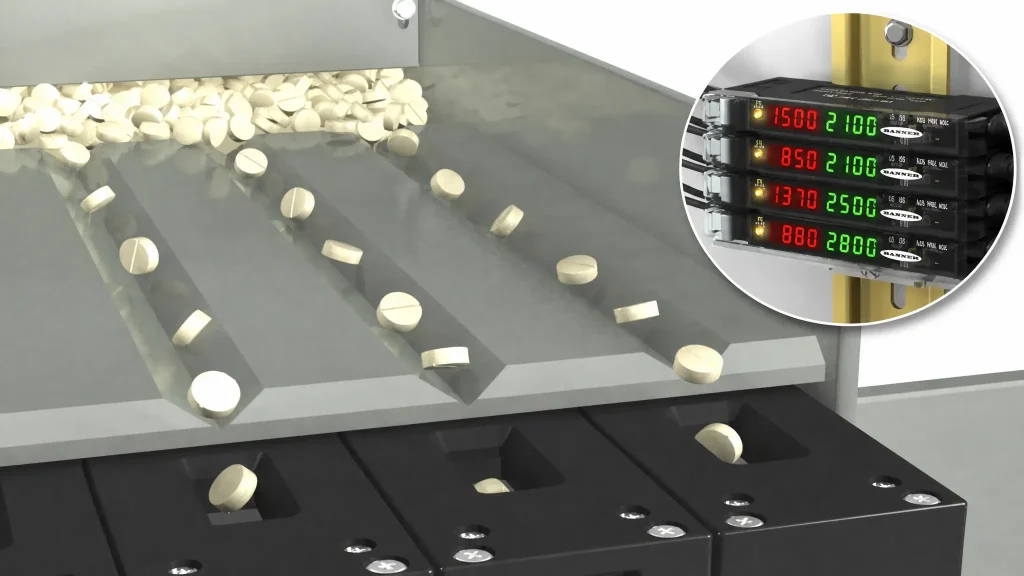
Tablet Counting with Photoelectric Sensors
A photoelectric counter is an automatic counting device built on photoelectric components. Infrared photoelectric counters are classified into two types: through-beam (opposed-mode) infrared counters and reflective (diffuse) infrared counters.
In a through-beam infrared counter, infrared light emitted from an infrared LED is projected directly onto a photosensitive element such as a phototube or photoresistor. Each time the beam is interrupted, the operating state of the photosensitive element changes once. This change is conditioned by an amplifier and registered by the counter, which then records the total number of interruptions.
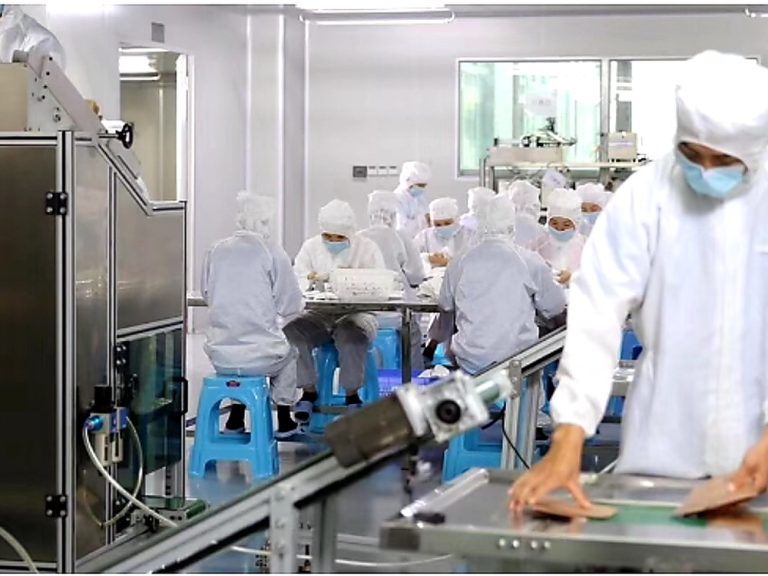
From blister packaging and liquid filling to capping, labeling, coding, and final cartoning inspection, sensors are indispensable at every stage of pharmaceutical packaging.
Industry Applications
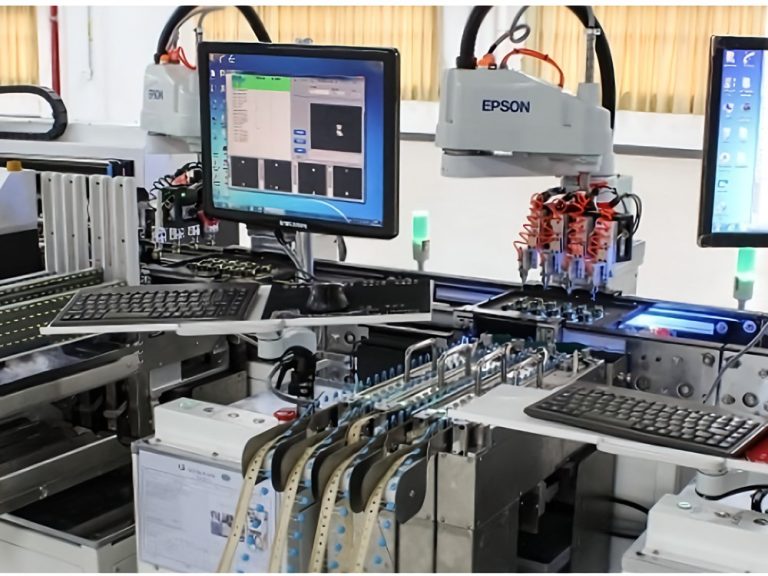
Reliable Sensing Solutions For High-Accuracy 3C-Electronic Production
High-precision Sensors Enable Robot Dexterous Grasping & Sensing
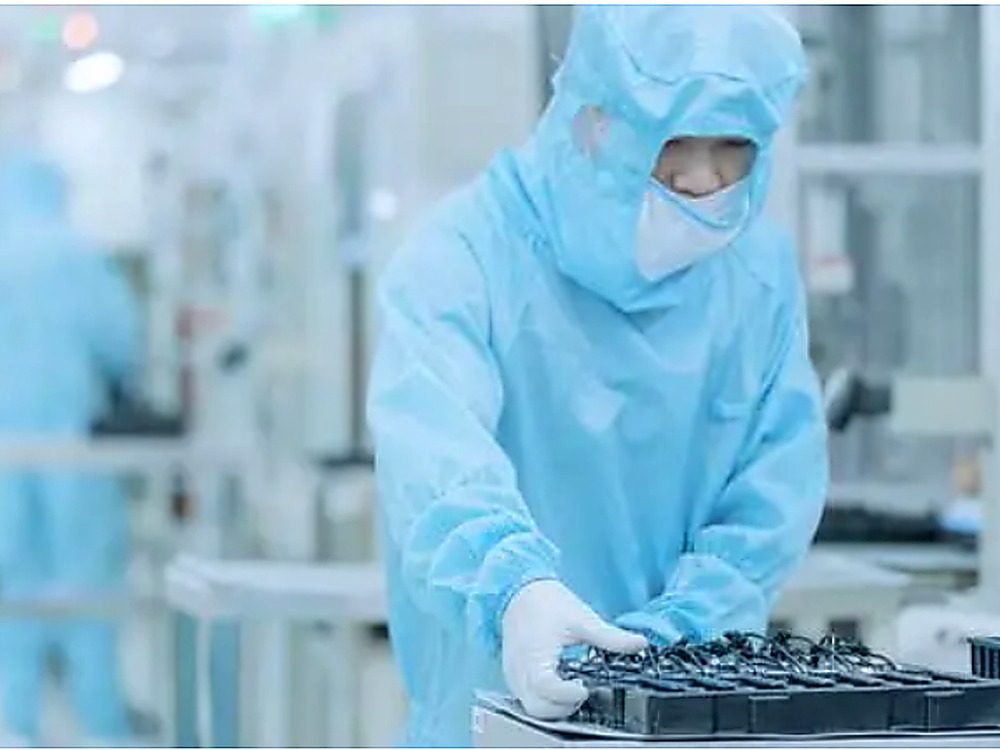
High-reliability Sensors Empower Semiconductor Precision Manufacturing
High-reliability Sensors Enable Lean Intelligent Production for Lithium-battery Industry
This complete solution delivers reliable and stable detection and control for intelligent logistics industry.
Sensor technology helps packaging equipment achieve high-speed, stable and intelligent production.
DASS Sensor’s various sensors are applied in automobile-assembly production lines to complete component positioning detection and station confirmation, ensuring accurate assembly procedures.
DASS Sensor’s various sensors fit outdoor heavy-industry equipment. Coping with harsh working conditions, they realize position feedback and material monitoring to guarantee stable and reliable equipment operation.
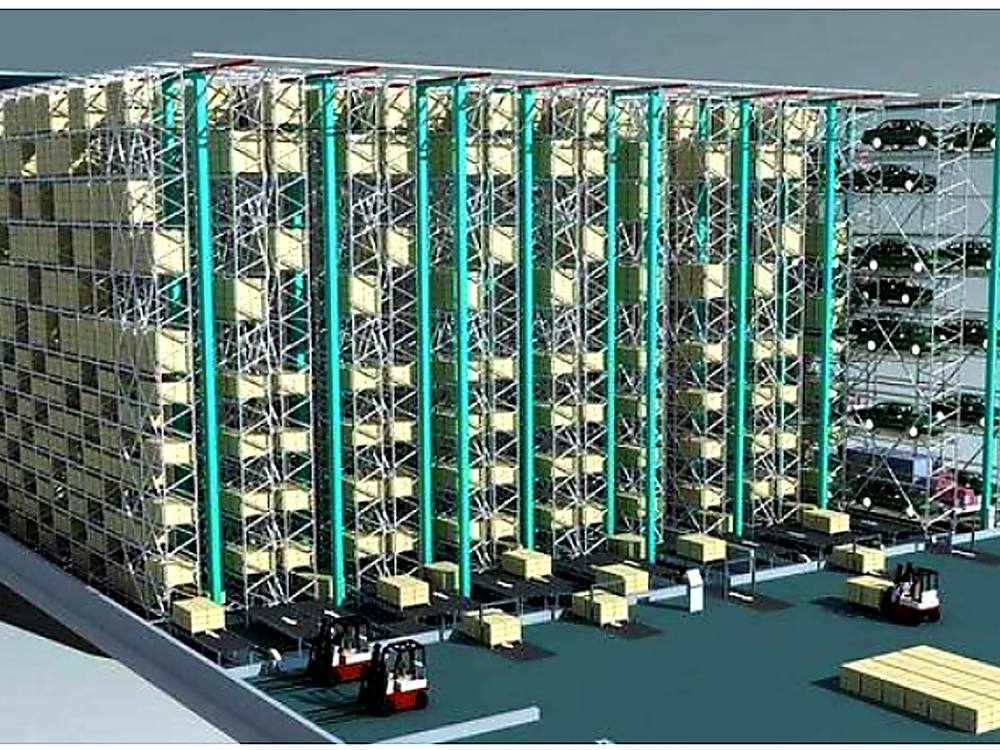
Photoelectric Sensors for Precise Load Positioning in AS/RS
Automated Storage and Retrieval Systems
In automated storage and retrieval systems (AS/RS), photoelectric sensors perform critical tasks such as precise load positioning, cargo detection and identification. By sensing the optical characteristics of objects, they enable fast identification and accurate positioning of goods, improving both storage and retrieval efficiency across the automated warehouse.
Background Suppression Photoelectric Switches for Detecting Dark Objects on Light-Colored Conveyors
Detecting Dark Objects on Light-Colored Conveyor Belts
In packaging, logistics and related industries, there is often a need to detect dark objects moving along light-colored conveyor belts. Conventional photoelectric sensors may fail to detect reliably because of excessive background reflection. Background suppression photoelectric switches, through their unique operating principle, effectively distinguish the target object from the background — ensuring accurate, stable detection even in complex operating environments.
Slot-Type Photoelectric Sensors for Real-Time Material Monitoring on Conveyor Modules
Real-Time Material Monitoring in Conveyor Modules
In conveyor modules, slot-type photoelectric sensors are used to monitor the status and position of materials in real time, ensuring continuous and stable operation of the production line.
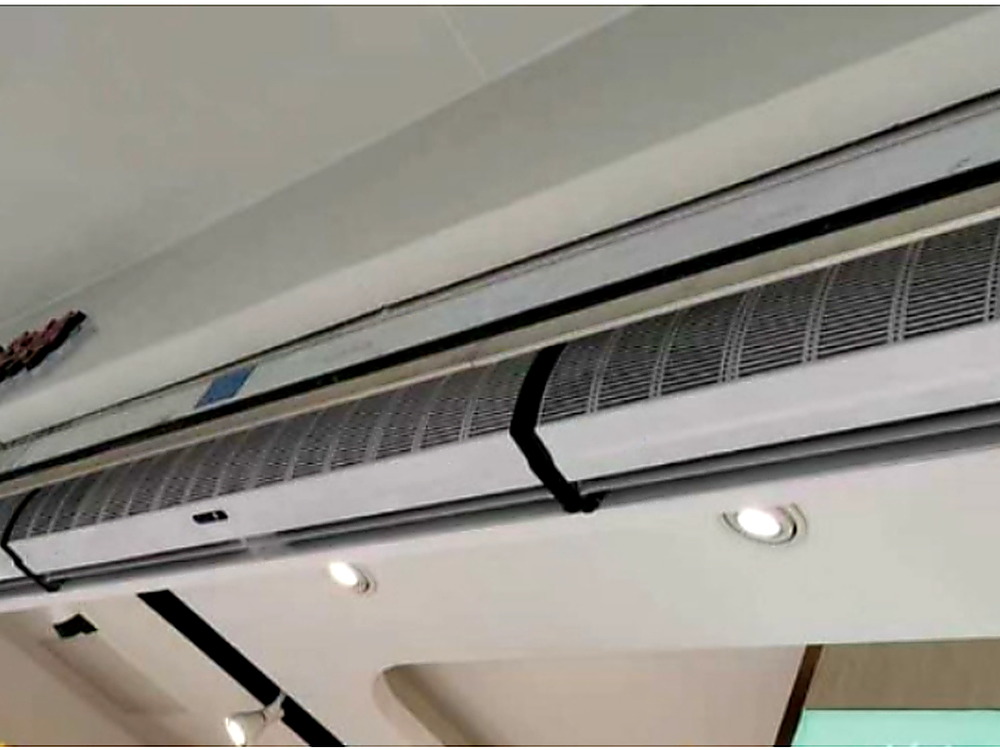
Proximity Sensors in Automatic Doors and Hot Air Hand Dryers
Automatic Doors
In hotels, restaurants, parking garages and similar locations, proximity sensors control the automatic opening and closing of doors, delivering hands-free access that improves convenience and accessibility for users.
Automatic Hot Air Hand Dryers
In public facilities, proximity sensors are also used to control automatic hot air hand dryers. The unit switches on the moment it detects a person approaching and off when they move away, enabling touch-free operation that improves hygiene while reducing energy consumption.
Photoelectric Sensor Solutions for Chip Positioning and Alignment
Chip Positioning and Alignment
In semiconductor manufacturing, precise chip positioning and alignment is a critical step in ensuring product quality and performance. DASS DS-G series high-precision photoelectric sensors emit and receive a light beam of a specific wavelength to detect parameters such as chip position and shape, achieving micron-level positioning accuracy and ensuring precise alignment between the chip and the substrate or other components.